

Ancestral Guidance: Listening to Those Who Came Before You
In almost every culture ever studied, someone has set a plate for the dead. A bowl of rice left at a family shrine in East Asia. A photograph lit by a single candle on a Mexican ofrenda. A libation poured onto the earth before a wedding, a harvest, or a difficult decision, across countless African communities stretching back further than written record.
These practices developed independently, on different continents, among people who never met or traded ideas. Yet, they arrived, again and again, at the same quiet conviction: that the people who came before us haven’t entirely left, and that they still have something to offer the living.
This is the foundation ancestral guidance work rests on. Not a metaphor, and not simply a way of processing grief, though it can hold both. It’s a practice old, widespread, and taken seriously across an enormous range of human cultures, of actually reaching toward the wisdom, protection, and perspective that a family’s dead are believed to still carry.
A Practice Older Than Any Single Religion
Scholars who study this practice across cultures have consistently found something worth pausing on: ancestor veneration isn’t tied to one religion, one region, or one era. Reference sources describe it as one of the most widespread and enduring forms of spiritual practice in human history, appearing independently across Asia, Africa, Europe, and the Americas, each culture developing its own rituals around honoring the dead and seeking their continued involvement in the lives of the living.
Within many of these traditions, ancestors are understood not as distant or forgotten, but as active mediators, figures capable of offering spiritual guidance and influence to descendants who continue to honor them, though most traditions hold that this status isn’t automatic. Typically, only those who lived a complete life, held to real moral standards, and earned some measure of social respect are understood to take on this ongoing role after death.
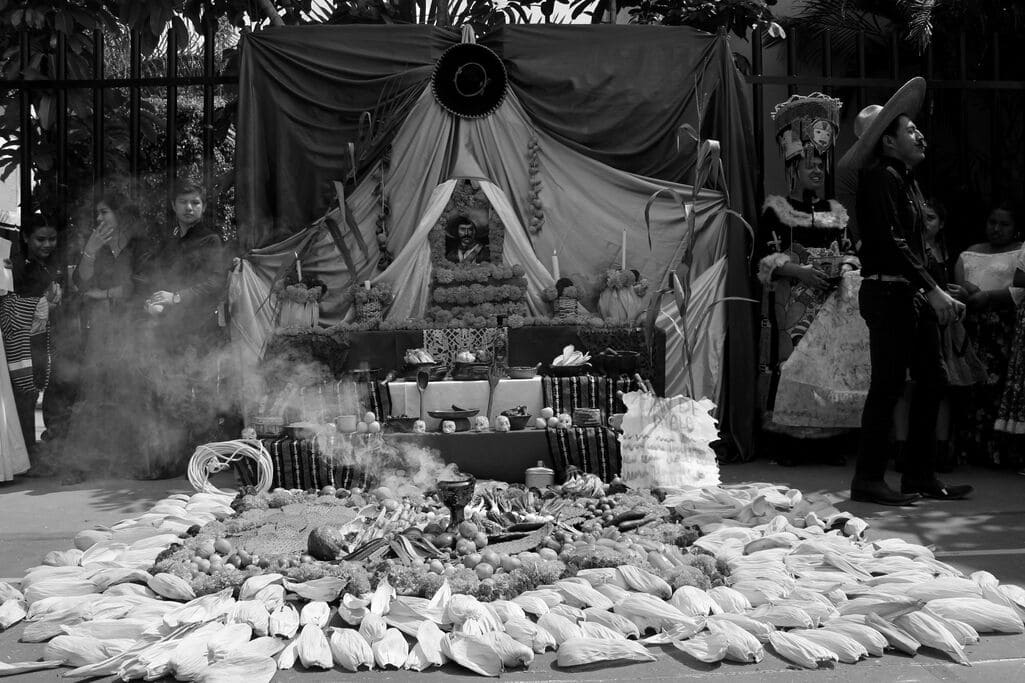
That distinction matters, because it reframes what ancestral guidance actually asks of a person: not blind reverence for anyone in a family line, but a genuine, ongoing relationship with those whose life and character earned that continued connection.
Refer to Source: Britannica, “Ancestor Worship”
Ancestral Guidance in African Spiritual Tradition
This is the specific lineage our own practitioners draw from, and it’s worth understanding on its own terms rather than folded into the broader global pattern described above. In traditional African spiritual practice, ancestors are generally understood as a living part of the family structure present, aware, and directly involved in the wellbeing of their descendants, not simply remembered but actively consulted. This differs in emphasis from some other traditions, where ancestor veneration leans more toward respectful memory than active, two-way guidance.
Ancestral connection in this tradition is treated as foundational to nearly everything else in spiritual practice; protection, healing, and love ritual work all generally draw, at least in part, on ancestral support, rather than treating it as a separate or optional layer. This is part of why protection spell work in this collection specifically names ancestral invocation as its deepest layer, and why serious curse removal or cleansing work often involves ancestral guidance as part of a fuller process rather than a standalone add-on.
How Ancestors Are Believed to Communicate
Unlike a phone call or a letter, ancestral communication is generally understood as subtle, requiring real attention to notice. A few of the most commonly described channels:
Dreams. Across many traditions, this is considered the clearest and most direct channel, a deceased relative appearing with a message, a warning, or simply a felt sense of their presence, often remembered with unusual clarity compared to ordinary dreams.
Recurring signs and synchronicities. A specific bird, a particular song playing at a meaningful moment, an object appearing unexpectedly that was significant to a specific ancestor; many traditions treat these repeated small coincidences as a form of communication rather than mere chance.
A felt sense of presence or guidance. Sometimes the communication isn’t a specific sign at all, but a quieter, harder-to-describe sense of being watched over or guided, particularly during moments of real difficulty or decision.
Physical sensations during ritual practice. Some practitioners describe specific, consistent physical sensations- warmth, a chill, or a particular kind of stillness- during ancestral invocation, treated as confirmation that a connection has genuinely been made.
Healing Ancestral Patterns, Not Just Seeking Guidance
Ancestral work isn’t only about receiving wisdom; many traditions also treat it as a way of addressing patterns that repeat across generations without ever being directly named. A family with a recurring history of difficult marriages, financial hardship, or estrangement between parents and children is, in several traditions, understood as potentially carrying an unresolved ancestral pattern, something that began with a specific person or event, generations back, and has continued unaddressed ever since.
This is different from the more targeted, specific work described in our curse removal guide, which usually addresses negative energy from a known or identifiable source.
Ancestral pattern work is broader and slower, often involving acknowledgment of a difficult family history, an ancestor who caused harm, a rupture that was never repaired, a loss that was never properly grieved, and a deliberate ritual practice aimed at bringing that specific pattern to a close rather than letting it continue passing silently to the next generation. Practitioners experienced in this kind of work often describe it as some of the most meaningful, if slower-moving, work they do, precisely because it addresses something a family has usually been living with, unnamed, for a very long time.
Common Mistakes People Make With Ancestral Work
Approaching it only in moments of crisis. Much like protection and cleansing practice elsewhere in this collection, ancestral connection tends to deepen through consistent relationship rather than occasional, urgent appeals.
Expecting dramatic, unmistakable signs. As described above, most ancestral communication is subtle. Beginners often miss genuine signs while waiting for something more cinematic.
Neglecting gratitude. Many traditions consider consistent thanks, even for guidance that isn’t dramatic or obvious, an essential part of maintaining the relationship over time.
Assuming every family member automatically qualifies as a guiding ancestor. As discussed above, most traditions hold that this role is earned through how a life was lived, not granted automatically through bloodline alone.
Treating the practice as replacing family therapy or genuine reconciliation work with living relatives. Ancestral guidance complements the practical relational work still owed to the living family members in your life — it isn’t a substitute for those harder, more immediate conversations.
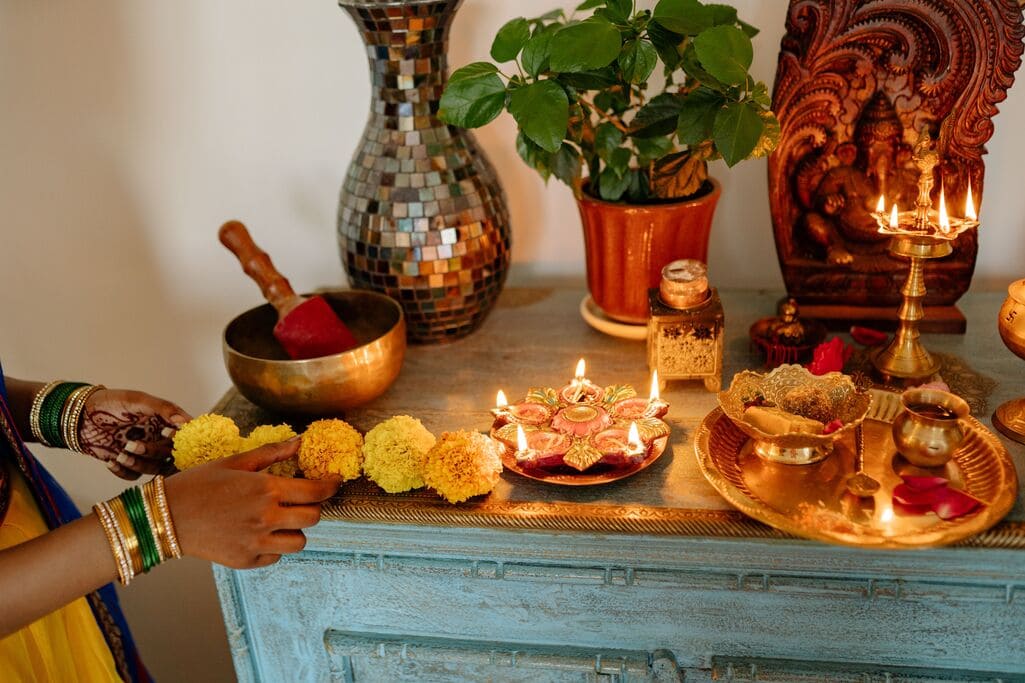
Setting Up a Simple Ancestral Altar
An altar isn’t required for ancestral connection, but it provides a focused, consistent space for the practice, a physical anchor for what’s otherwise an entirely internal relationship.
Choose a quiet, dedicated space. A small shelf, a corner of a room, or even a single dedicated drawer works; what matters is that it’s a space set aside specifically for this purpose rather than shared with everyday clutter.
Include a photograph or representative object, if you have one, of the specific ancestor or ancestors you’re hoping to connect with. If no photograph exists, a written name or a meaningful object connected to that person serves the same purpose.
Add a candle, generally white, representing the ongoing presence and light of your ancestors; see candle ritual work for more on how candle practice functions more broadly.
Include an offering, if your tradition calls for one; water, a favorite food or drink of the ancestor being honored, or fresh flowers are all common and simple choices.
Visit regularly, even briefly. A consistent, even short, moment of acknowledgment tends to matter more than an elaborate but rarely visited setup.
A Basic Ancestral Invocation Practice
Step On: Sit quietly at your altar or chosen space. Allow a few minutes to settle before beginning- the same grounding step used across most ritual practice in this collection.
Step Two: Speak the name of the ancestor or ancestors you’re calling on. Naming them directly is considered an important part of the invocation across most traditions that practice this.
Step Three: State your intention clearly. Whether you’re seeking guidance on a specific decision, protection during a difficult period, or simply connection and comfort, clarity matters here as much as it does in any other ritual work in this collection.
Step Four: Sit in quiet listening. This step is often the hardest for beginners, who expect a dramatic sign rather than the subtler forms of communication described above. Patience and genuine openness matter more than any specific technique.
Step Five: Express gratitude before closing. Regardless of whether you felt a clear response, closing with genuine thanks is considered respectful practice and, many traditions hold, strengthens the connection for future invocations.
Ancestral Guidance for Love and Relationships
Within the context of this site’s broader focus, ancestral guidance plays a specific and meaningful role: many traditions hold that ancestors take particular interest in the romantic and family lives of their descendants, since marriage and partnership directly continue a family’s line and legacy. This is part of why ancestral invocation is often woven into more serious reconciliation or marriage-focused ritual work, not as a separate practice, but as an added layer of support drawing on the deepest resource many traditions recognize.
For those doing soulmate spell work rituals, some practitioners also describe ancestral guidance as playing a role in “recognizing” a genuine connection when it arrives; the felt sense of rightness some people describe meeting a soulmate is, in some traditions, understood partly as ancestral recognition and approval rather than romantic instinct alone.
Respectful Practice: What to Keep in Mind
This is meaningful spiritual work, and a few points of care are worth holding onto. Approach the practice with genuine respect rather than treating it as a transactional request; most traditions hold that ancestral guidance responds to sincerity and ongoing relationship, not a one-time appeal made only in moments of need.
Be patient with the pace of communication, since ancestral guidance is rarely as immediate or direct as some newcomers expect. And be thoughtful about which ancestors you’re calling on; most traditions emphasize that this practice concerns those who lived with genuine care and integrity, not simply anyone in a family line by default.
When to Seek Deeper Guided Ancestral Work
Basic personal practice, built around a simple altar and regular quiet connection, is genuinely valuable and accessible to nearly anyone. More complex situations needing to identify a specific ancestral pattern affecting your life, working through a family lineage with real historical difficulty, or seeking ancestral support for a significant life decision often benefit from an experienced practitioner’s deeper guidance, given the depth of traditional knowledge this kind of work can draw on.
Frequently Asked Questions
Do I need to know the names of my ancestors to connect with them? It helps, but it isn’t strictly required; some traditions allow for addressing “those who came before me” generally when specific names or histories aren’t known.
What if my family history includes ancestors I don’t feel comfortable honoring? This is a legitimate and common concern. Most traditions allow you to focus specifically on ancestors who lived with genuine care and integrity, rather than requiring universal reverence for an entire family line.
How is ancestral guidance different from general spiritual protection? Ancestral guidance draws specifically on your own family lineage as a source of wisdom and support, while general protection spiritual work draws on broader spiritual and symbolic tools that don’t require a specific ancestral connection.
Can I practice this if I don’t know much about my family history? Yes, many people begin this practice with very limited family knowledge and build understanding gradually through the process itself, sometimes uncovering family history they hadn’t previously known.
Is this practice tied to a specific religion? No, while it’s central to the African spiritual tradition our practitioners draw from, ancestor veneration in some form appears across an unusually wide range of religious and cultural traditions worldwide, as described above.
Conclusion
The people who shaped your family didn’t simply disappear when they died; in the view of nearly every tradition that has considered the question seriously, they remain part of the story, still capable of offering the kind of guidance that comes only from having lived, loved, and carried a family’s weight before you did. Setting aside a little quiet time to actually listen for that guidance may be one of the oldest, most widely practiced forms of spiritual support available to anyone, regardless of what else they believe.
Ready for guided ancestral work tailored to your specific family and situation? Reach out to our spiritual healers on WhatsApp to begin.