
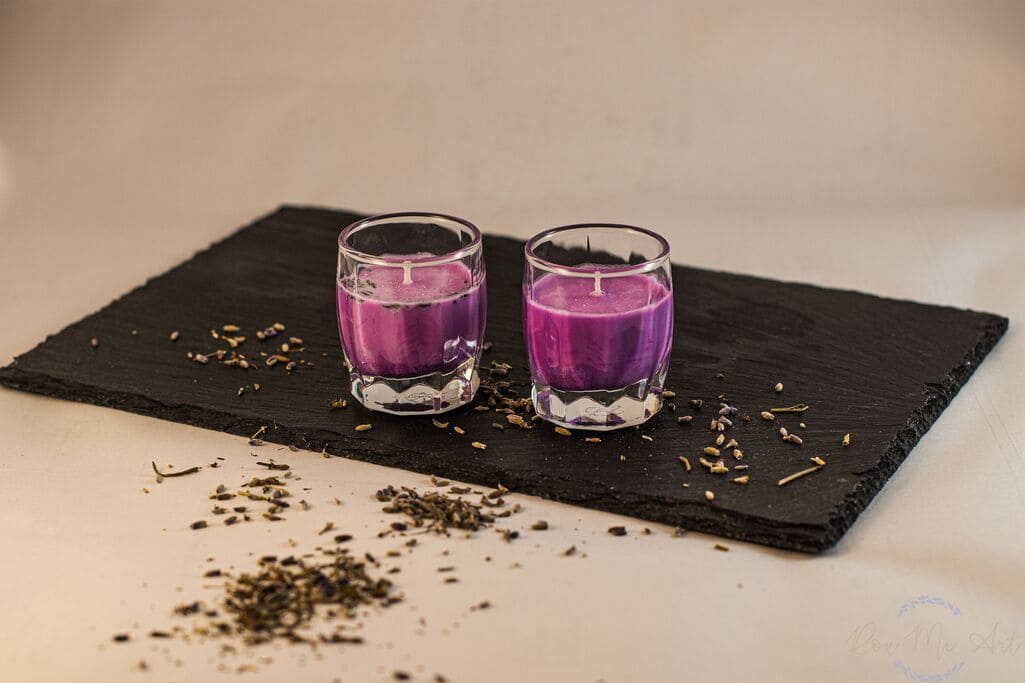
Love can leave you searching for something meaningful to do. Perhaps you hope to attract a new relationship, rebuild warmth with your partner, recover your confidence after a breakup, or simply feel less alone while your romantic future remains uncertain. When emotions are strong, even a small act that gives you time to reflect and express your intentions can feel valuable.
Easy love spells you can cast at home offer one way for people who follow spiritual practices to create a personal moment of intention, prayer, reflection, or symbolic action. You do not necessarily need an elaborate altar, expensive materials, or complicated instructions to begin. Some people use flowers, written intentions, quiet prayer, or objects that represent the kind of love they hope to welcome.
At 24hrs Love Spells Center, our council of spiritual practitioners recognises that people approach love magic from different cultural, spiritual and personal backgrounds. The meaning of a ritual may depend on the tradition followed, the intention behind it and the person’s own beliefs.
No ritual can guarantee that another person will fall in love, return to a relationship, or change their decision within a particular time. The practices below are presented as spiritual and symbolic approaches, not scientifically proven ways to control romantic outcomes.
If you are ready to explore simple rituals at home, begin with a clear intention, safe materials, and an honest understanding of what you hope to achieve.
What Are Easy Love Spells You Can Cast at Home?
Easy love spells are simple spiritual or symbolic practices that people perform in their own living space to focus on matters of the heart. Depending on a person’s tradition, they may involve prayer, written words, flowers, personal reflection, natural objects, or a quiet ritual carried out at a meaningful time.
Some people practise alone. Others seek advice from an experienced spiritual practitioner because they want help understanding a tradition or choosing a practice that fits their circumstances.
The phrase love spell can mean different things to different people. In one setting, it may refer to a prayer for a loving and lasting relationship. In another, it may involve a traditional ritual passed down through a community. Someone else may use a symbolic exercise to clarify what they want from their next relationship.
These practices should not all be treated as identical. Spiritual traditions have their own histories, teachings, and responsibilities, and a simple personal ritual is not automatically equivalent to a traditional ceremony.
For a broader introduction to the cultural background of spiritual practices, read our guide to African spiritual traditions.
Before You Begin: Choose the Love You Want to Welcome
Before choosing a ritual, take a few minutes to identify the reason you want to perform it. This simple step can prevent you from repeating actions without understanding what you hope they will mean to you.
Ask yourself:
- Am I hoping to meet someone compatible?
- Do I want to improve communication in my current relationship?
- Am I hoping for reconciliation with a former partner?
- Do I need to heal emotionally before beginning another relationship?
- Am I looking for greater commitment, peace or mutual understanding?
Your answers matter because these are different situations. A ritual centred on welcoming new love has a different intention from one focused on forgiveness after an argument.
Try to phrase your intention in a way that includes your own choices and the qualities of the relationship you want. For example:
“I welcome a loving relationship built on honesty, kindness, mutual attraction and respect.”
If you are thinking about reconciliation, you might write:
“I hope for an opportunity to communicate honestly, understand what happened, and discover whether a healthy relationship is possible for both of us.”
These statements leave room for another person’s freedom to choose. They also help you recognise that lasting love involves more than a single romantic moment.
1. The Written Intention Love Ritual
One of the easiest love rituals to try at home involves nothing more than paper, a pen, and a quiet place. This is a symbolic exercise rather than a scientifically established method for producing romantic outcomes.
What you need
- A clean piece of paper
- A pen
- A quiet place where you can think without interruption
How to practise it
Step 1: Settle yourself. Sit comfortably and take a few slow breaths. Give yourself time to move away from the pressure of the day.
Step 2: Write your intention. Describe the kind of love you wish to welcome. Instead of focusing only on a particular person’s return, consider the qualities you hope to experience, such as trust, warmth, commitment, and emotional security.
Step 3: Read your words carefully. Read the statement quietly or aloud if that feels natural to you. Notice whether it expresses what you genuinely want or simply what you fear losing.
Step 4: Decide what the words mean to you. Keep the paper in a private place, place it in a journal, or dispose of it respectfully when you feel ready. There is no universal spiritual rule requiring a particular method.
Step 5: Choose one practical action. You might decide to communicate more honestly, spend time with people who share your interests, or establish a healthy boundary in a difficult relationship.
For people who value symbolic spiritual practice, writing an intention can help give their hopes a clear expression. It also creates an opportunity to examine whether their expectations are realistic and healthy.
2. A Flower Ritual for Welcoming Love
Flowers have long carried symbolic meanings in many cultures. Their colours, scents and associations may represent affection, beauty, devotion, renewal or remembrance. Meanings vary, so there is no single flower code that applies to every spiritual tradition.
A simple flower ritual can be a personal way to express what love means to you.
What you need
- One fresh flower or a small arrangement
- A clean vase or suitable container
- A few quiet minutes
How to practise it
Choose a flower that reminds you of the qualities you value in a relationship. A rose might symbolise affection for you, while another flower might represent peace, hope, or a fresh beginning.
Place the flower somewhere clean and appropriate in your home. As you arrange it, reflect on the kind of relationship you hope to build and the qualities you can contribute to it.
You may offer a prayer according to your own beliefs or simply sit quietly with your intention.
The purpose is not to assume that a flower will make a particular person fall in love. Rather, it is to create a meaningful reminder of the love you want to recognise and nurture in your life.
Keep flowers away from pets that might be harmed by them, and remove wilted flowers before they become unhygienic.
3. A Prayer or Quiet Reflection for Love
For people whose spiritual lives include prayer, a personal prayer may be a familiar way to express hope, ask for wisdom, or seek strength during a difficult romantic period.
There is no need to copy another person’s religious language if it does not reflect your beliefs. Your prayer can be brief and sincere.
You might say:
“May I recognise love that is honest and kind. Give me patience to understand my feelings, courage to speak truthfully, and wisdom to recognise when a relationship is healthy for both people. May I move towards love with an open heart and respect for the choices of others.”
You can adapt these words to your own spiritual tradition, or use your own language entirely.
If you are hoping to reconcile with a former partner, your prayer might include a wish for peace, a genuine opportunity for communication and clarity about whether rebuilding the relationship would benefit both people.
Prayer and reflection may be meaningful sources of comfort for believers. However, they should not be presented as a guarantee that someone will return or that a relationship will be restored.
4. A Self-Love Ritual for Healing After a Breakup
Sometimes the strongest feeling after a breakup is the urge to do something immediately. You may want to contact your former partner, find an explanation for what happened, or restore the relationship before the distance becomes permanent.
Those feelings are understandable. Yet a painful separation can also be a time to reconnect with your own needs.
This simple ritual focuses on self-respect and emotional clarity.
What you need
- A notebook or sheet of paper
- A comfortable place to sit
- About ten minutes of uninterrupted time
Write down three things:
- What you miss about the relationship.
- What you learned about yourself while you were together.
- What you need from a healthy relationship in the future.
Be honest rather than trying to make every answer sound positive. You can miss someone deeply and still recognise that parts of the relationship were difficult.
Finish by writing one promise to yourself. It could be a commitment to stop checking your former partner’s social media for a while, speak to a trusted friend, return to an activity you enjoy, or give yourself time before making an important decision.
You can keep the page in your journal or dispose of it privately. The important part is the reflection, not a prescribed ceremony.
If reconciliation remains your hope, this exercise does not mean you must give up. It gives you space to consider what would need to change for a renewed relationship to become healthy and sustainable.
For a dedicated spiritual service focused on relationship restoration, you can explore our love reconciliation and restoration resources. A spiritual practice should complement, rather than replace, honest communication and practical relationship decisions.
5. A Simple Moon-Phase Reflection
Some spiritual practitioners associate lunar phases with symbolic themes such as beginnings, growth, fulfilment, and release. These associations differ across traditions, and the moon’s phases have not been scientifically established as a way to produce a particular romantic outcome.
If lunar symbolism is meaningful to you, you can use it as a framework for reflection.
- New moon: Write down what you hope to begin or welcome into your life.
- Waxing moon: Consider one action that supports your intention, such as meeting new people or improving communication.
- Full moon: Reflect on what has become clearer to you about your romantic hopes.
- Waning moon: Identify a fear, resentment, or unhelpful habit you are ready to work on releasing.
You do not need to follow a rigid timetable or purchase special items. You can perform the reflection indoors, outdoors, or wherever you feel comfortable.
If you want to explore the symbolism in greater detail, read our dedicated guide to moon magic love spells. That page focuses specifically on lunar phases and spiritual practice, while this article provides a straightforward starting point for people seeking easy home rituals.

6. A Personal Symbol for a Loving Relationship
Some people find meaning in carrying or keeping an object that reminds them of an intention. Depending on their beliefs, this might be a small stone, a piece of jewellery, a photograph of a peaceful place, or another personal item.
You can choose an object that represents qualities such as loyalty, openness, patience, or emotional balance.
Hold it for a moment and consider what the quality means in everyday life. If the object represents trust, for example, ask yourself how trust is built through consistent actions. If it represents commitment, think about the responsibilities that accompany a lasting relationship.
There is no need to believe the object has special powers. For someone who follows a spiritual tradition, it may carry personal or sacred significance; for someone else, it may simply be a reminder.
If crystals are part of your practice, our separate guide to crystal love spells discusses commonly used stones and their symbolic associations.
7. A Honey-Sweetening Ritual for a Softer Approach to Love
In some folk-magic settings, honey is associated with sweetness, kindness, and harmonious relationships. People may use it symbolically when reflecting on communication, reconciliation, or a wish for greater warmth between partners.
Traditions differ, and honey-jar practices should not be treated as universal to every African spiritual tradition or as interchangeable with Haitian Vodou or West African Vodun.
If this symbolism fits your personal practice, you could write a short intention about the qualities you want to bring into a relationship and keep it in a journal alongside a reflection on patience, kindness, and mutual understanding. You do not need to consume anything or place ingredients in another person’s food or drink.
The meaningful part is the intention you associate with the practice. It does not guarantee that a partner will become more affectionate or that an estranged person will return.
Our guide to honey jar love spells explores this particular form of symbolism in more detail, including its cultural context and common interpretations.
Can You Cast Love Spells at Home Without Special Ingredients?
Yes. Many simple personal rituals require no special ingredients at all. A written intention, a quiet prayer or a period of honest reflection may be enough for someone who wants to practise privately.
The belief that a ritual must involve expensive oils, rare herbs or numerous objects is not universal. Different spiritual traditions have their own requirements, and it would be misleading to claim that every practice can be simplified in the same way.
If you are following a specific tradition, learn about its context and respect its customs rather than assuming that instructions from different sources can be combined freely.
For a broader look at plant symbolism and its place in spiritual practices, see our guide to herbal love magic. If you are interested in a particular candle-based practice, our candle love spell guide covers that subject separately.
How Often Should You Perform an Easy Love Spell?
There is no scientifically established frequency that makes a love spell work. Recommendations vary according to personal beliefs, the tradition being followed, and the purpose of the ritual.
For a simple personal practice, you might repeat a short reflection whenever it helps you focus on your intentions. You might also decide that one session is enough and return to it only when you have something meaningful to consider.
Avoid treating repetition as a test of devotion or assuming that a relationship has failed because you did not perform a ritual often enough. Such beliefs can create unnecessary anxiety, particularly when you are already dealing with heartbreak or uncertainty.
Instead, look at whether the practice helps you clarify your hopes, make thoughtful decisions, and respond to your circumstances in a healthier way.
If a ritual begins to consume your time, cause distress, or make you feel compelled to spend money you cannot afford, take a step back. A spiritual practice should not become a source of fear.
Do Easy Love Spells Work?
People report different experiences with love rituals. Some describe a sense of comfort, renewed hope, or a stronger connection to their spiritual beliefs. Others interpret changes in their relationships as meaningful spiritual experiences.
These personal accounts may be important to the people who share them, but they do not establish that a ritual caused a romantic outcome. Relationship changes can involve many factors, including communication, timing, personal decisions, and circumstances that neither partner controls.
There is no reliable scientific evidence that a home love spell can compel a particular person to fall in love, return within a set number of hours, or remain in a relationship against their wishes.
If you practise love magic as part of your spiritual life, you can still approach it sincerely while being careful about promises and expectations. Spiritual meaning and guaranteed results are not the same thing.
Be particularly cautious of anyone who claims that a simple ritual must succeed, insists that a former partner is definitely under a spell, or demands escalating payments to remove an alleged spiritual problem. The US Federal Trade Commission’s guidance on scams offers general information about recognising and avoiding deceptive offers.
Safety and Respect When Practising Love Rituals at Home
Simple does not automatically mean safe. A responsible home ritual should protect your physical wellbeing, respect other people and fit within your beliefs and circumstances.
Keep these principles in mind:
Use candles carefully. If your practice includes a candle, place it in a stable, heat-resistant holder, keep it away from curtains and other flammable materials, and never leave it burning unattended. An unlit candle or another symbolic object can be used instead.
Do not ingest unknown ingredients. Herbs, oils, and other ritual materials are not automatically safe to eat or drink. Avoid experimenting with unknown plants, essential oils, or mixtures. For general information on herbs and their potential health considerations, consult the National Center for Complementary and Integrative Health’s Herbs at a Glance resource.
Respect consent. Do not secretly add substances to another person’s food or drink, invade their privacy, or use a ritual as a reason to ignore a clear refusal. A healthy relationship requires voluntary participation from both people.
Protect your finances. You do not need to buy expensive supplies to perform a simple reflective practice. Be wary of anyone who uses threats, fear, or claims of unavoidable spiritual danger to pressure you into repeated payments.
Respect cultural differences. African spiritual traditions, Haitian Vodou, West African Vodun, hoodoo, and contemporary personal rituals have different histories and practices. Avoid presenting them as one identical system. Learn from reliable cultural sources and practitioners who can explain the tradition they actually follow.
Seek practical support when necessary. If a relationship involves intimidation, abuse, or threats, prioritise your safety and seek appropriate help. A spiritual ritual is not a substitute for protection, counselling or other support when those are needed.
When Should You Seek Help From a Spiritual Practitioner?
A simple home ritual may suit someone who wants a private moment of reflection. However, you may prefer to speak with a practitioner if you are unfamiliar with a particular tradition, have questions about its customs, or want to understand how a spiritual service differs from a personal practice.
At 24hrs Love Spells Center, our council includes Mulangira Abdul, Chief Adam, and Lady Aisha. People exploring spiritual services should ask clear questions about the proposed practice, its cultural background, the fees involved, and what can honestly be promised.
Before engaging any service, consider asking:
- What tradition or spiritual approach does the practitioner follow?
- What does the proposed ritual involve?
- Are the costs explained before the service begins?
- Will my privacy be respected?
- Are the limitations of the practice explained honestly?
- Am I being pressured to act quickly or pay for additional work?
A responsible practitioner should not need to frighten you into purchasing a service. Nor should anyone claim certainty about another person’s private feelings or guarantee that a specific relationship outcome will occur.
If you are specifically interested in Voodoo-related spiritual services, begin by learning about the distinctions between traditions. Our page on Voodoo love spells addresses that separate topic; it should not be treated as a synonym for every form of home-based love magic.

Frequently Asked Questions
What is the easiest love spell to cast at home?
A written intention is one of the simplest options because it requires only paper, a pen, and a quiet place. You can write about the kind of love you hope to welcome, reflect on what it means to you, and identify one practical action that supports your intention.
Can beginners practise love spells at home?
People who follow spiritual practices may begin with simple activities such as prayer, reflection, or symbolic arrangements. If you are interested in a specific cultural or religious tradition, learn its context rather than assuming every ritual is suitable for beginners.
Can I cast a love spell without candles?
Yes. Candles are not necessary for every spiritual practice. Written intentions, prayer, quiet reflection, or flowers can provide a symbolic focus without an open flame.
Can a home love spell bring an ex back?
Some people practise reconciliation rituals because they hope to restore a relationship. However, no home ritual can reliably guarantee that an ex-partner will return. Reconciliation also depends on mutual willingness, honest communication, and the circumstances that led to the separation.
How quickly will an easy love spell work?
There is no scientifically established timeframe for a love spell to produce romantic results. Be cautious of anyone promising guaranteed results within 24 hours, three days, or another fixed period. Personal spiritual experiences and changes in a relationship cannot be guaranteed on a schedule.
Do I need expensive ingredients?
Not necessarily. Many personal rituals use ordinary items or no physical materials at all. Specific traditions may have their own requirements, but expensive purchases should not be treated as proof that a ritual is more powerful.
Is it safe to use herbs in a home love ritual?
Safety depends on the particular plant and how it is used. Some plants can irritate the skin, trigger allergies, or be harmful if swallowed. Avoid ingesting unknown herbs or applying untested mixtures to your body. A symbolic arrangement or written intention may be a safer alternative.
Can I perform a love ritual for someone I care about?
You can reflect or pray for a relationship you value, provided your actions respect the other person’s privacy and freedom of choice. It is not appropriate to use a ritual as justification for coercion, harassment, or ignoring a person’s boundaries.
What if nothing changes after I perform a love spell?
A lack of visible change does not mean you have failed or that you must purchase another ritual. Consider what you need in the relationship, whether communication is possible, and what practical choices remain available to you. You are entitled to take care of yourself regardless of the outcome.
Are home love spells the same as African traditional spiritual practices?
No. Home-based rituals can come from many personal and cultural settings. African traditional religions and spiritual practices are diverse, with their own histories, communities, and teachings. A simple symbolic exercise should not automatically be labelled an African traditional ritual.
Final Thoughts: Begin With a Clear Heart and Realistic Expectations
Easy love spells you can cast at home can offer a personal way to express hope, reflect on your romantic life and connect with spiritual beliefs that matter to you. You can begin with a written intention, a flower, a prayer, or a few quiet minutes devoted to understanding what you truly want from love.
There is no need to make a simple practice complicated or expensive. Choose an approach that fits your beliefs, respect the cultural context of traditions you explore, and avoid promises that claim to guarantee another person’s feelings or decisions.
Love is more than attraction alone. It also involves honesty, respect, emotional safety, and the willingness of two people to build a relationship together. Let your spiritual practice support thoughtful choices rather than replace them.
If your interest grows beyond simple home rituals, explore the related resources linked throughout this article to learn about particular approaches in greater depth. Whatever path you choose, approach it with patience, discernment, and respect for yourself and others.