
Herb Love Spells: The Quiet Ingredient in Almost Every Ritual
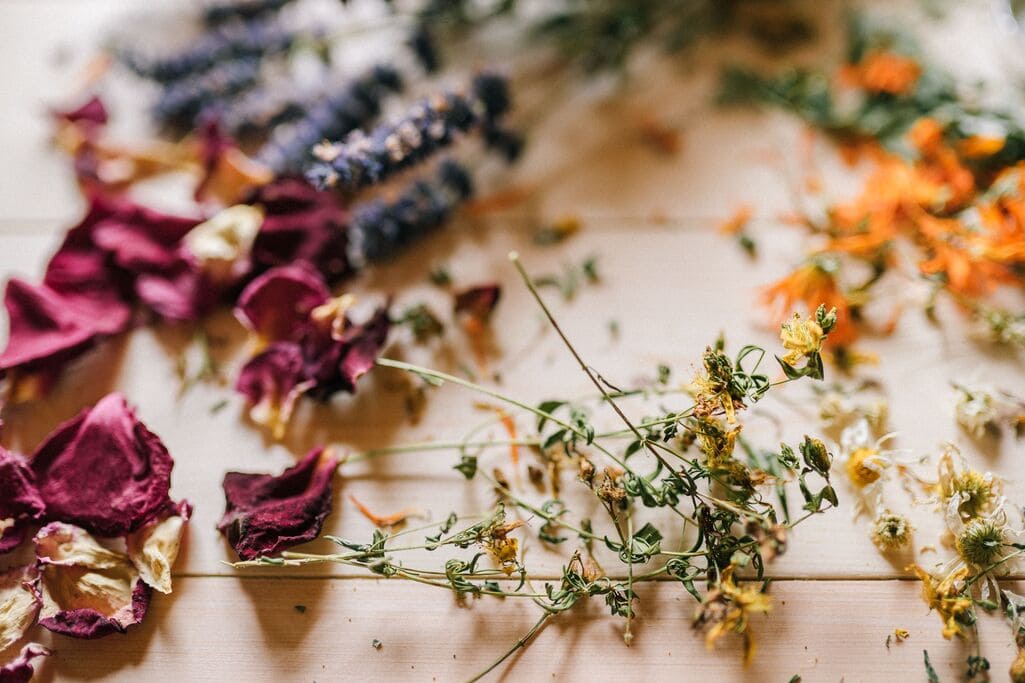
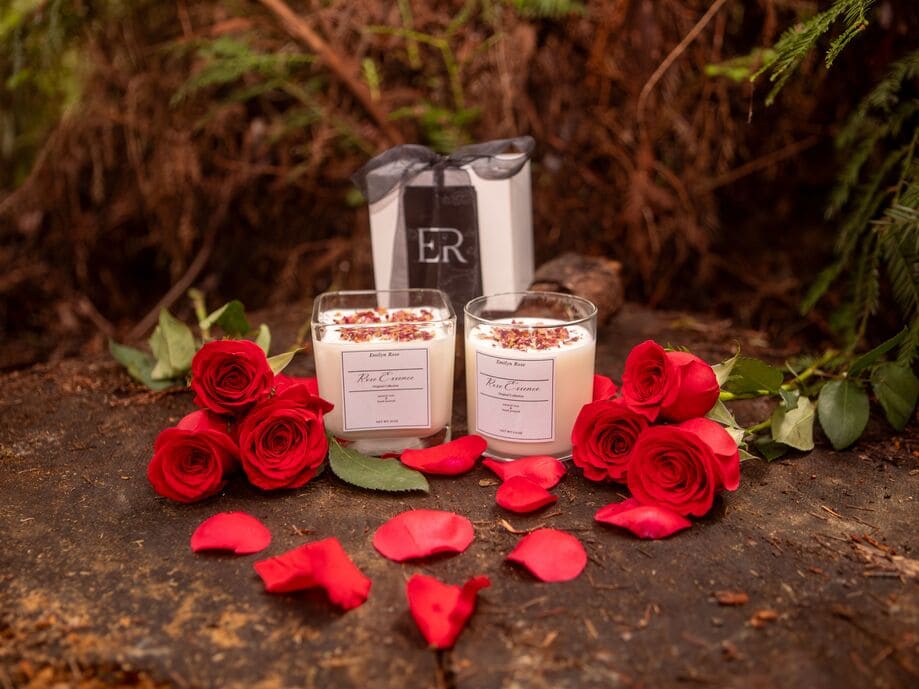
Look closely at nearly every other ritual in this collection, and you’ll find herbs already there, quietly doing their work. Basil tucked into a honey jar. Rose petals scattered near a candle burning for reconciliation. Sage is used to cleanse a crystal before it’s charged under the full moon. Herbs rarely headline a ritual on their own; more often, they’re the connective tissue holding everything else together, chosen specifically to reinforce whatever intention the larger working is carrying.
This page treats herbs as their own practice, worth understanding on their own terms, not just as an ingredient in someone else’s ritual but as a tradition with real depth, method, and history behind it.
Five Ways to Work With Herbs in Love Ritual
Unlike candles or crystals, which are generally used in one or two consistent ways, herbs show up across a genuinely wide range of methods, each suited to different situations.
Sachets. Small cloth pouches filled with a chosen blend of herbs, carried in a pocket or bag, or kept under a pillow. Sachets function similarly to crystals, a passive, ongoing working carried through daily life rather than a single ritual moment.
Ritual baths. Herbs steeped in warm bathwater, often combined with intention-setting and sometimes moon-charged water, are used for cleansing, calming anxiety before a difficult conversation, or preparing emotionally and spiritually before a more active ritual.
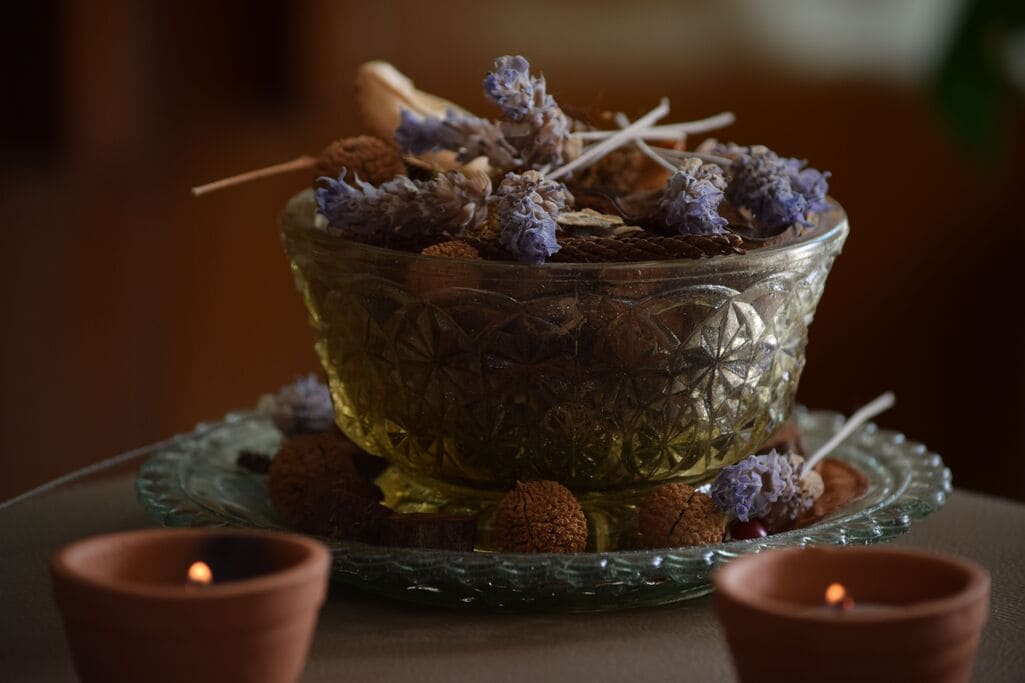
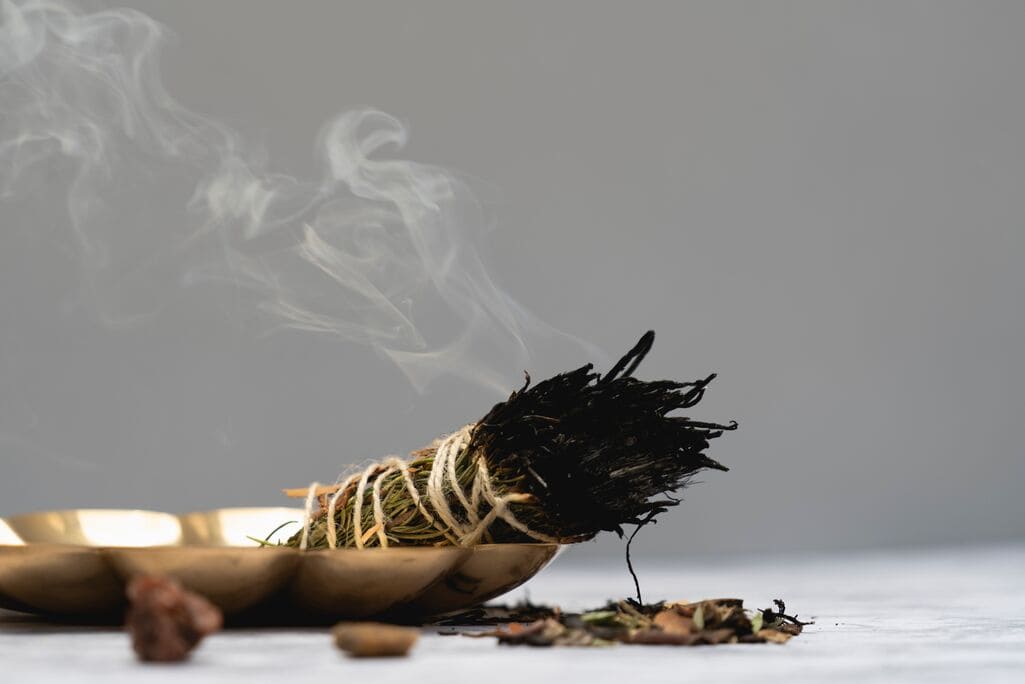
Incense and smoke. Dried herbs burned to release both scent and smoke, traditionally used to cleanse a space before ritual work, carry intention upward, or clear negative energy that’s built up around a relationship.
Infused oils. Herbs are steeped in a carrier oil over time, then used to anoint candles before lighting them, dab on pulse points before an important encounter, or add to a working alongside other ritual elements.
Herbal teas. Certain gentle, food-safe herbs are brewed and consumed as tea, used less as a direct ritual tool and more as a way of internalizing an intention, calming the nerves before difficult conversations, or simply staying spiritually aligned with an ongoing working day-to-day.
Quick Reference: Common Love Herbs
| Herb | Primary Association | Common Methods |
|---|---|---|
| Rose | Romantic love, tenderness | Sachet, bath, oil |
| Basil | Harmony, easing conflict | Sachet, incense, honey jar |
| Lavender | Calm, softening tension | Bath, tea, incense |
| Cinnamon | Passion, speeding up work | Incense, oil, honey jar |
| Rosemary | Fidelity, remembrance | Sachet, bath, honey jar |
| Hibiscus | New attraction, confidence | Tea, sachet |
| Chamomile | Peace, gentle healing | Tea, bath |
| Cloves | Binding, drawing someone closer | Incense, sachet, honey jar |
| Jasmine | Deep, sensual attraction | Oil, incense, bath |
| Vervain | Protection, clearing negativity | Incense, sachet |
Most workings draw on two or three herbs together rather than relying on a single one; a sachet built for reconciliation, for instance, might combine basil, lavender, and a small amount of rose to cover harmony, calm, and tenderness all at once.
Building a Love Sachet: Step by Step
Sachets are one of the most accessible entry points into herbal practice, requiring nothing more than a small cloth pouch and herbs matched to your intention.
Step One: Choose your herbs based on intention. Use the reference table above, or combine two to three complementary herbs for a more layered working.
Step Two: Select your cloth. Traditionally, cloth color follows the same symbolic logic as candle color: pink or red for romance, white for healing and clarity, and green for long-term commitment.
Step Three: Add your herbs to the cloth with intention. Speak your purpose aloud as each herb goes in, rather than simply measuring them out mechanically.
Step Four: Add a small personal item, if appropriate. A scrap of paper with a name written on it, similar to the honey jar practice, deepens the sachet’s connection to a specific relationship.
Step Five: Tie the sachet closed, sealing your intention inside. Some traditions call for tying three or seven knots while restating the intention with each one.
Step Six: Carry or place the sachet with purpose. Keep it on your person for ongoing personal intention, or place it somewhere meaningful, under a shared pillow, near a front door for protection, or in a car for someone commuting home to you.
Matching Herbs to What Your Relationship Actually Needs
With so many herbs and methods available, it helps to start from the situation itself rather than the ingredient list. If a relationship has grown distant through routine rather than conflict, lavender and rose together in a bath or sachet tend to suit that gentle, restorative need better than anything more intense.
If real hurt or betrayal is part of the picture, rosemary and chamomile lean toward healing and remembrance without forcing reconciliation before it’s genuinely ready. If the goal is drawing in someone new rather than repairing something existing, hibiscus and jasmine’s association with confidence and attraction fit that outward-facing intention more naturally than herbs built for calming or binding.
For situations involving real urgency, a relationship at risk of ending, or interference from a third party that needs active addressing, cinnamon and cloves’ more intense, accelerating properties are traditionally favored, often combined into incense or a honey jar rather than a gentler bath or tea. This is also where guided practitioner work tends to matter most: an experienced healer can read the full shape of a situation and combine herbs with a precision that’s harder to reach through general guidance alone, layering in exactly the right blend rather than approximating from a reference list.
The Role of Intention Over Ingredient
It’s worth returning to a point that runs through every ritual in this collection, because it matters especially for herb work given how accessible and low-cost the ingredients are: the herb itself is not the ritual. A perfectly chosen blend of rose, lavender, and rosemary, gathered and prepared without real focus or presence, tends to carry very little actual power. The same blend, gathered with genuine intention and used with real presence, carries considerably more weight, not because the plants changed, but because the person working with them did.
This is easy to forget precisely because herbs are so tangible and easy to acquire. Unlike candle color or lunar timing, which require at least some deliberate planning, herbs can be picked up at any grocery store on the way home, which sometimes leads to treating the ritual itself as an afterthought to the shopping. Traditions that have practiced herbal ritual work for generations consistently emphasize the opposite ordering: gather with purpose, prepare with presence, and let the herb serve the intention rather than standing in for it.
A Simple Calming Ritual Bath
For situations that call for emotional steadiness before ritual work or a difficult conversation, a basic herbal bath is a gentle, accessible starting point.
What you’ll need: a handful of dried lavender and chamomile (available at most health food or specialty grocery stores), warm bathwater, and quiet, uninterrupted time.
Step One: Steep the herbs. Add the dried herbs directly to bathwater as it fills, or steep them in a small pot of hot water first and strain the liquid into the bath.
Step Two: Set your intention before entering. Take a moment to name clearly what you’re hoping to release or calm within yourself before stepping in.
Step Three: Soak with presence. Ten to twenty minutes of quiet, undistracted time allows the ritual to do its work; this isn’t the moment for scrolling on a phone.
Step Four: Rinse and release. As you finish, many traditions call for visualizing whatever anxiety or tension you brought in washing away with the water.
A Note on Safety
Herbal work is generally gentle and low-risk when common, food-safe herbs like the ones listed above are used as intended, in sachets, baths, and incense. A few sensible precautions are still worth keeping in mind. If you have known plant allergies, check any herb against them before use, particularly in a bath or tea where skin or ingestion contact is involved. Pregnant individuals should consult a healthcare provider before drinking any herbal tea regularly, as some common herbs are not recommended during pregnancy. Burning incense should always follow ordinary fire safety, including a stable, heatproof holder, adequate ventilation, and never being left unattended. And when in doubt about a specific herb’s safety for tea or bath use, our practitioners are glad to advise on appropriate, gentle options for your specific situation rather than guessing.
Where This Practice Comes From
Herbal ritual work is deeply rooted in the same African spiritual traditions and Southern rootwork lineage that shape much of the practice in this collection, traditions where herbalism, healing, and spiritual guidance were never treated as separate disciplines but as one continuous body of knowledge, passed down through generations of practitioners. Alongside this, folk herbalism developed independently across Europe, Latin America, and Asia, each tradition building its own detailed understanding of which plants carry which properties.
What makes herb work distinct from candle or crystal practice is this depth of layered, cross-generational knowledge; entire lineages of practitioners spent lifetimes learning which combinations serve which purposes, knowledge that’s generally passed down through direct teaching and apprenticeship rather than written formula alone. This is part of why guided herbal work with an experienced practitioner tends to draw on considerably more depth than what’s accessible through general reference alone.
Combining Herbs With Other Rituals
Herbs are rarely the whole working; they’re most often the layer that deepens something else. A honey jar built around basil and rosemary carries different weight than one built with cinnamon and cloves, even with identical honey and technique. A candle anointed with rose oil before lighting reinforces its intention more directly than an unanointed one. Crystals cleansed in herb smoke before charging carry a layer of intention beyond moonlight alone. And lunar timing shapes which herbs are gathered and prepared; many practitioners gather herbs specifically during a waxing moon for growth-focused workings.
For situations needing more than home practice can offer, our practitioners’ voodoo and traditional ritual work frequently draws on precise, specialized herbal knowledge well beyond what’s accessible through general guidance alone.
Common Mistakes People Make With Herb Work
Using dried herbs that have lost their potency. Herbs stored too long lose much of their strength; fresh, properly stored herbs matter more than people often realize.
Combining too many herbs without clear purpose. More isn’t always stronger; a focused blend of two or three herbs chosen deliberately tends to outperform a scattered mix of six or seven.
Ignoring safety basics around allergies and pregnancy. As noted above, this is worth taking seriously rather than assuming all-natural automatically means risk-free for everyone.
Skipping the intention-setting step. Herbs carry symbolic meaning, but that meaning only becomes ritual power when paired with clear, spoken intention; herbs alone, without focus, are just plants.
Treating herb work as separate from the rest of your practice. As this page has emphasized throughout, herbs tend to work best woven into a fuller ritual rather than used in isolation.
Frequently Asked Questions
Where can I actually find these herbs? Most of the herbs listed here, rose, basil, lavender, cinnamon, rosemary, chamomile, and hibiscus, are available at grocery stores, health food shops, or specialty spice retailers, making this one of the most accessible practices in the collection.
Can I substitute a similar herb if I can’t find the exact one recommended? Generally, yes, provided the substitute carries a similar traditional association; our practitioners can advise on suitable substitutions for your specific working.
Is it necessary to grow my own herbs, or is store-bought fine? Store-bought, dried herbs work perfectly well for most practices. Growing your own can deepen the personal connection to a working, but it isn’t required.
How long does a sachet or bath blend stay potent? Sachets are generally considered effective for several weeks to a few months before needing refreshed herbs. Bath blends are single-use, prepared fresh each time.
Can herb work be combined with a guided ritual from your practitioners? Yes, herbal elements are frequently woven into our breakup and reconciliation work and other guided rituals, tailored specifically to what a client’s situation calls for.
Conclusion
Herbs may be the quietest tool in this entire collection, but they’re rarely absent from the ones that carry the most depth, tucked into jars, burned as incense, steeped into baths, or anointed onto candles, doing patient, supportive work throughout nearly every other ritual practiced here. Whether you’re building your first sachet tonight or ready to have a practitioner layer herbal knowledge into a fuller guided working, this is a tradition worth knowing on its own terms.
Want herbal elements woven into a ritual built specifically for your situation? Get in touch with our team to get started.