
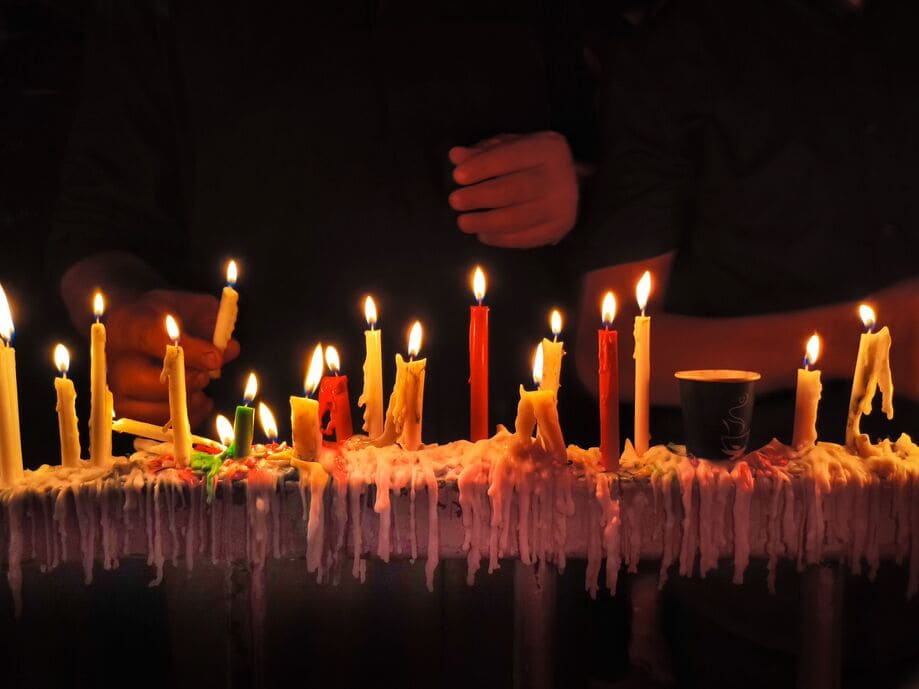
Candle Love Spells: The Oldest Flame in Ritual Work
Long before anyone wrote love spells down, they were lighting them. A flame held in cupped hands, a wick catching in the dark, and a wish spoken quietly over the light candle-spell work is very likely the oldest form of love ritual still practiced today, older than written language itself. There’s something about fire that every spiritual tradition seems to recognize instinctively: it transforms. Wax becomes light. Intention becomes something visible, flickering, alive in the room with you.
This is why candle work sits at the center of so much love ritual practice, including much of what our practitioners perform at 24Hrs Love Spells Hub. It’s simple enough to be practiced at home, powerful enough to anchor far more elaborate rituals, and versatile enough to serve nearly every kind of intention, attraction, reconciliation, protection, or binding.
What Candle Color Actually Means in Love Work
Color is one of the first things every tradition of candle magic agrees matters. Different colors carry different symbolic weight, and choosing the right one is often the first real decision in any candle ritual.
| Color | Traditional Meaning in Love Work |
|---|---|
| Red | Passion, desire, romantic intensity |
| Pink | Tenderness, affection, gentle new love |
| White | Purity, clarity, universal love and healing |
| Green | Growth, harmony, marriage and long-term commitment |
| Orange | Attraction, confidence, drawing someone’s interest |
| Purple | Spiritual connection, deep soul-level bonds |
| Black | Protection, banishing negativity, removing interference |

Most rituals lean on one or two of these colors depending on intention; a reconciliation working might favor white and pink together, while a working meant to remove a third party’s influence often calls on black alongside whatever color represents the relationship being protected.
New to this practice generally? Start with Love Spells 101 for the broader foundations candle work builds on.
The Main Types of Candle Rituals
Candle work isn’t one spell ritual; it’s a flexible method applied to whatever intention it’s carrying. A few of the most common applications:
Attraction Candle Spell Work. Used to draw new romantic interest or strengthen a partner’s attraction to you, typically performed with red, pink, or orange candles and often timed to a specific lunar phase for added potency.
Reconciliation spell candle work. Focused on softening distance or resentment between two people, usually performed with white or pink candles, and often extended across several consecutive nights rather than a single sitting.
Protection spell candle work. Aimed at shielding a relationship from outside interference, jealousy, or negative energy, typically using black or white candles, sometimes paired with salt or protective herbs.
Binding spell candle work. Used to deepen commitment and strengthen the emotional tie between two people, often performed with two candles, one representing each partner, gradually moved closer together over the course of the ritual.
Each of these can stand alone or be layered into a longer work depending on what a relationship actually needs.
A Basic Candle Ritual You Can Practice at Home
While the deeper, more specific workings our practitioners perform are tailored to individual circumstances, there’s a simple candle practice almost anyone can use to begin working with intention in their own relationship or love life. This isn’t a substitute for a full ritual, but it’s a genuine, safe starting point for those new to candle work.
What you’ll need: one candle in a color matching your intention (see the table above), a candle holder placed on a stable, heat-safe surface, and a quiet space where you won’t be interrupted.
Step One — Ground yourself. Sit quietly for a few minutes before lighting anything. Let your mind settle. Candle work responds to focus, not urgency.
Step Two — Set your intention aloud. Speak clearly and specifically about what you’re hoping for — not vaguely (“I want love”) but honestly and precisely (“I’m calling in warmth and reconnection with someone I still care about”).
Step Three — Light the candle with that intention in mind. As the flame catches, hold the image of your intention clearly rather than letting your mind wander to doubt or logistics.
Step Four — Sit with the flame. Traditions vary on duration, but ten to fifteen minutes of quiet focus is a reasonable starting point, watching the flame rather than distracting yourself.
Step Five — Let the candle burn down safely, or extinguish it with intention if you must leave the space. Never leave an open flame unattended; this is both a practical safety matter and, in most traditions, considered disrespectful to the ritual itself.
This simple version can be practiced on its own for general intention setting, though most people find it far more powerful when guided as part of a fuller working tailored to their specific situation.
Matching the Ritual to Where Your Relationship Stands
Not every candle working suits every stage of a relationship, and part of what a practitioner does is match the right approach to where you actually are. Someone still single and hoping to draw in a new connection needs a very different working than someone trying to rebuild trust after a rupture, even though both might involve a lit candle and a clear intention.
Early-stage attraction work tends to focus outward, drawing energy toward you, amplifying confidence, and clearing the kind of self-doubt that quietly repels connection before it has a chance to start. Reconciliation work, by contrast, focuses on the space between two specific people, softening what’s hardened and easing the path back toward each other. Long-term commitment and binding work shifts focus again toward depth and permanence rather than the initial spark. And protective work is almost entirely defensive, less about inviting anything in and more about safeguarding what’s already there.
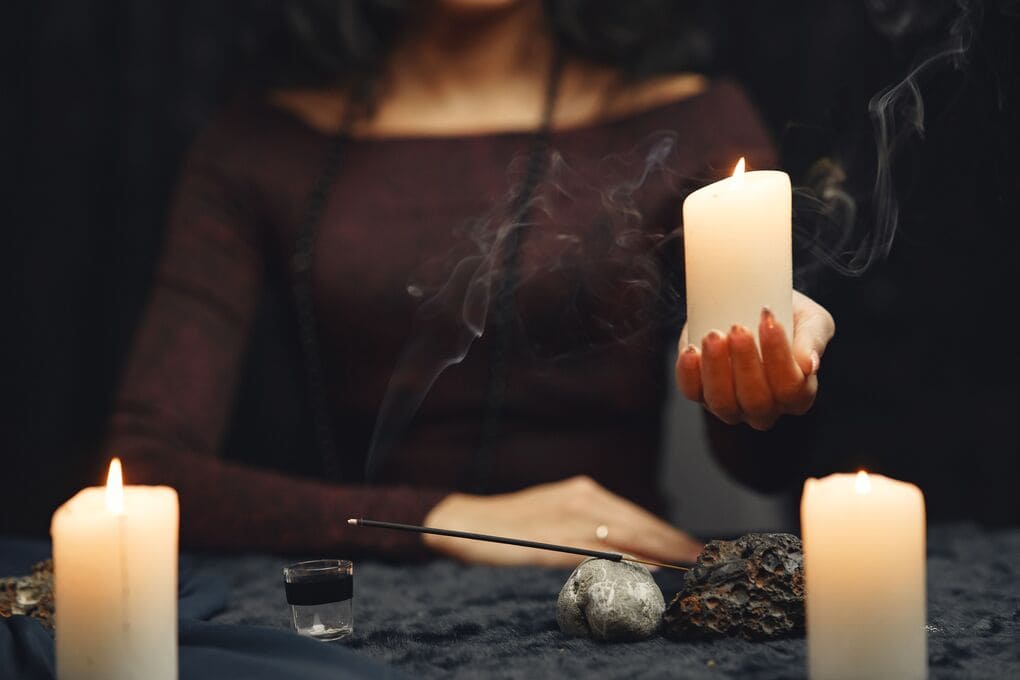
Recognizing which of these actually describes your situation is often the difference between a candle ritual that feels meaningful but produces little real change and one that’s precisely aimed at what your relationship actually needs. This is exactly the kind of assessment our practitioners walk through with every client before any ritual work begins, not assuming what you need but listening closely enough to know.
When to Practice at Home vs. Seek Guided Work
The basic ritual above is genuinely useful; many people build a regular practice around it simply as a way of staying spiritually engaged with their own intentions. But it has real limits, and it’s worth being honest about them.
Home candle practice tends to work well for general intention-setting, emotional clarity, and staying spiritually connected to what you’re hoping for. It tends to fall short for more complex situations, reconciling after a serious rupture, removing an entrenched third-party influence, or working across a specific, difficult set of circumstances like divorce or a lost love situation that’s gone on for a long time.
This is the difference guided practitioner work makes: a personalized reading of your exact situation, precise timing, ritual elements layered well beyond a single candle, herbs, personal items, extended workings across multiple nights, and the kind of traditional knowledge passed down through generations of spiritual practice rather than learned from a single how-to guide.
Where Candle Magic Comes From
Candle work as it’s practiced today draws from an unusually wide convergence of traditions. African spiritual practice, which forms the foundation of the guidance offered by our practitioners, has long used fire and flame as a channel between the physical and spiritual worlds, a way of carrying intention, prayer, and ancestral connection into visible form. European folk magic developed its own parallel tradition of candle color correspondence, much of which shaped the color meanings widely used today. Hoodoo and rootwork traditions in the American South blended African spiritual knowledge with herbalism and candle craft into some of the most detailed, specific candle practices still taught.
What’s notable is how consistently these separate traditions arrived at similar conclusions: fire as transformation, flame as messenger, and wax as a physical record of intention released into the world. When our practitioners perform candle work, they’re drawing on generations of this layered, cross-cultural knowledge rather than a single fixed formula, which is part of why guided ritual work tends to run deeper than a single home practice can reach on its own.
Reading the Flame: What Practitioners Watch For
Experienced practitioners don’t just light a candle and walk away; they watch how it burns, because the flame itself is considered a form of feedback throughout the ritual. A steady, tall flame is generally read as a strong, well-received intention. A flame that flickers erratically or struggles to stay lit is often interpreted as resistance, either external interference or unresolved doubt within the person the ritual is being performed for. Smoke patterns, the way wax pools or runs, and even small sounds like crackling are all part of a practice called ceromancy, a long tradition of reading meaning directly from how a candle behaves as it burns.
This is one of the clearer differences between home practice and guided work: a practitioner experienced in reading these signs can adjust a ritual mid-working, relighting, changing candle placement, or extending a session in ways a beginner practicing alone typically wouldn’t recognize the need for. It’s part of why the same basic tool, a simple candle, can produce such different depths of results depending on who’s holding the intention behind it.
Timing Matters, Too
Color and intention aren’t the only variables that shape a candle spell ritual; timing plays a real role as well. Many practitioners favor beginning attraction or new-love workings during a waxing moon, when lunar energy is traditionally associated with growth and increase, while bindings and protective work are sometimes timed to a full moon for maximum potency. Reconciliation work is often started on specific days of the week associated with love and harmony in different traditions.
This is one of the clearest places where candle work overlaps with lunar ritual timing; the two are frequently combined rather than treated as separate practices, since a well-timed candle ritual tends to carry noticeably more weight than one lit without regard for the moon’s current phase.
Common Mistakes People Make With Candle Work
Rushing the intention. Lighting a candle without real clarity about what you’re asking for tends to produce weak, scattered results. Take the time to know exactly what you want before you strike the match.
Choosing color based on preference rather than meaning. A favorite color isn’t the same as the right color, mismatched symbolism can work against the intention you’re trying to set.
Giving up after one attempt. Candle work, like most ritual practice, tends to build over repeated, consistent sessions rather than delivering everything in a single sitting.
Practicing in a distracted or hostile environment. Intention needs quiet and focus to carry weight; a candle lit in the middle of chaos rarely carries the same power as one lit with real presence.
Treating candle work as a complete substitute for real-world effort. As with any spiritual practice, the ritual supports your intention; it doesn’t replace honest conversation, patience, or the everyday work relationships still require.
How This Fits Into a Larger Working
Candle work rarely stands entirely alone in more serious ritual practice; it’s usually one layer within a broader approach that might also draw on honey jar spell work for sweetening a relationship, lunar spell timing for amplifying the ritual’s power, crystals for sustained energetic support, or specific love spell herbs chosen for the exact intention being worked. A practitioner will often combine several of these elements into a single tailored ritual rather than relying on candle work in isolation, especially for more complicated situations like marriage restoration or reconciliation after a serious break in trust.
Frequently Asked Questions
Can I really do candle work myself, or do I need a practitioner? Basic intention-setting candle practice is safe and accessible for anyone. More complex situations benefit significantly from a practitioner’s guidance, precise timing, and tailored ritual elements.
Does the candle need to burn all the way down? Not necessarily; traditions vary, and a practitioner can advise on what’s appropriate for your specific working. What matters most is safety and genuine focus while the flame is lit.
What if my candle goes out on its own? This is generally not considered a bad omen on its own, though some traditions read it as a sign to relight with renewed focus. A practitioner can help interpret what happened in the context of your specific ritual.
Can candle color mistakes ruin a ritual? Using an unconventional color won’t cause harm, though it can weaken the ritual’s alignment with your intention. When in doubt, guided work ensures the right elements are used for your situation.
How often should I practice candle work? For general home practice, a few times a week is reasonable. For guided practitioner rituals, our healers will advise a specific schedule based on your circumstances.
Conclusion
There’s a reason candle work has survived in nearly every spiritual tradition across human history: it’s simple, direct, and genuinely powerful when approached with real intention. Whether you’re lighting your first candle at home tonight or ready for a fully guided ritual built around your specific situation, the flame remains one of the clearest ways to turn hope into something focused, visible, and alive.
Ready for guided candle work tailored to your relationship? Reach out to our spiritual healers on WhatsApp to begin.