
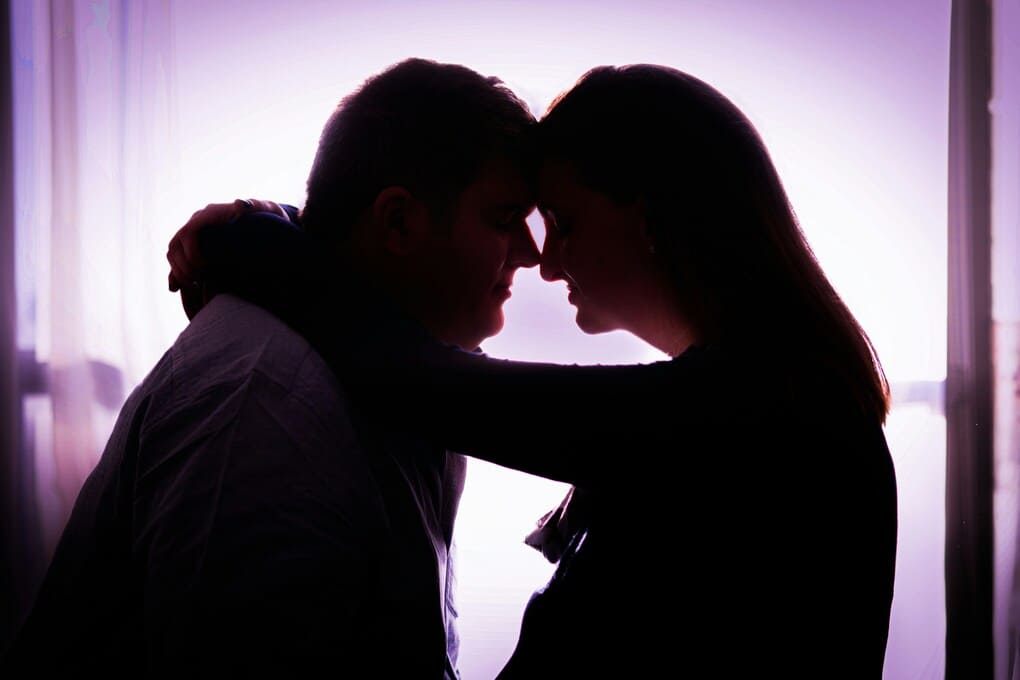
What happens during a love spell depends on the spiritual tradition, the practitioner’s method, and the purpose of the ritual. Some ceremonies involve prayer, spoken intentions, and symbolic objects, while others follow a different sequence. There is no single procedure that every practitioner uses.
At 24hrs Love Spells Center, our council of spiritual practitioners, including Mulangira Abdul, Chief Adam and Lady Aisha, recognises that people seek spiritual assistance for different matters of the heart. Some hope to reconnect with a former partner, some want to strengthen an existing relationship, and others are looking for a new beginning in love.
Within spiritual traditions, a ritual may be understood as a focused expression of intention and a request for spiritual support. People who believe in love spells may also share positive experiences following spiritual work. These accounts are meaningful to the people who report them, although each relationship and personal experience is different.
Understanding what happens during a ritual can help you approach the process with greater confidence, know what questions to ask, and distinguish the ceremony itself from what may happen afterwards.
1. The Practitioner Establishes the Purpose of the Ritual
The process generally begins with the practitioner working from the intention that has been discussed and agreed upon. The precise arrangements depend on the service and tradition.
For example, a reconciliation ritual may be approached with the hope of renewed communication, restored affection, or an opportunity to repair a relationship. A ritual associated with new love may have a different focus, such as welcoming a compatible relationship.
The purpose matters because love-related concerns are not all the same. Seeking renewed communication with a former partner differs from hoping to improve trust in an existing relationship.
A practitioner may briefly review the intention before proceeding, particularly if the work follows a specific ceremonial sequence. This helps keep the ritual focused on the concern being addressed.
For a broader introduction to love spell practices, visit our Love Spells 101 knowledge hub.

2. The Ritual Follows a Tradition or Chosen Method
Once the intention is established, the practitioner follows the method appropriate to the spiritual work being undertaken.
Some ceremonies are simple and brief. Others contain several stages, each with its own meaning within the tradition. These may involve prayer, reflection, spoken words, symbolic gestures, or the use of selected objects.
It is important not to assume that every love spell follows the same procedure. Spiritual traditions differ, and practitioners may also have distinct approaches within a broader tradition.
A responsible explanation should identify the relevant practice where possible rather than claiming that one ritual sequence represents every spiritual community.
The Encyclopaedia Britannica overview of ritual provides general background on ritual as a feature of religious and cultural life. It offers context for understanding ceremonial practices, rather than proof that a particular love spell produces a specific romantic outcome.
To explore the stages of ceremonies in more detail, read how love spell rituals are structured.
3. Prayer, Spoken Intentions or Focused Reflection May Be Used
Depending on the method, prayer or spoken intentions may form part of the ceremony. Some practitioners use established prayers or traditional words; others may incorporate personal expressions of hope or periods of focused reflection.
Within spiritual belief, these practices may be understood as ways of expressing the purpose of the work and seeking spiritual assistance.
The wording is not universal. A phrase used in one tradition may have no role in another, and some ceremonies may place more emphasis on actions or symbolic objects than on spoken words.
Participants should not feel that they must invent special language or repeat instructions found online. If a practitioner asks them to take part, they should explain what is expected and why it is relevant to that particular practice.
4. Symbolic Materials May Be Incorporated
Some love spell rituals use objects that carry meaning within the practitioner’s tradition. These might include candles, flowers, written intentions, oils, or other materials, depending on the method.
A symbolic object may represent affection, harmony, hope, or commitment. Its meaning comes from the context in which it is used rather than from a universal rule that applies to every ritual.
Not every ceremony requires physical materials, and a longer list of ingredients does not automatically indicate a stronger or more effective spiritual practice.
For a fuller explanation of different materials and their possible symbolic meanings, see what materials are commonly used in love spells.
Any materials used should be handled safely. Do not ingest unknown mixtures, burn unfamiliar substances, or follow instructions that could cause physical harm.
5. The Practitioner Completes the Main Spiritual Observance
The central part of a ritual is where the principal ceremonial actions take place. Depending on the tradition, this may involve prayer, symbolic gestures, spoken intentions, or another customary form of spiritual observance.
People who believe in spiritual love work may regard this stage as the heart of the ceremony, where the intention is expressed through the chosen method.
However, the outward appearance of a ritual does not tell you everything about its meaning. A simple ceremony may be deeply significant to its practitioner, while an elaborate ceremony may follow customs that require specific cultural knowledge to understand.
It is therefore more useful to ask what the actions mean within the particular tradition than to judge the ritual solely by its duration, appearance, or number of materials.
6. Does the Person Seeking Help Need to Participate?
Not always. The role of the person seeking assistance depends on the type of service and the practitioner’s approach.
Some practices may involve the participant in prayer, reflection, or another agreed activity. Others may be conducted by the practitioner without requiring the client to take part in the ceremony itself.
Before the ritual begins, you should understand whether you are expected to attend, remain available for communication or perform any particular action.
You should also feel comfortable asking for an explanation. You do not need to accept instructions that are unsafe, invasive, or unrelated to the service you agreed to.
Participation should be explained clearly rather than presented as a test that you must pass to secure a desired romantic outcome.
7. How Long Does the Ritual Itself Last?
The duration of a ceremony varies. Some rituals are relatively brief, while others follow a more extended sequence of observances. The method, tradition, and purpose can influence how long the formal process takes.
It is important to distinguish the duration of the ritual from the time someone believes may be needed to see changes in their circumstances. A ceremony lasting a short time does not mean that a relationship will change immediately, just as a longer ceremony does not establish that a particular outcome is more likely.
People may report different experiences after spiritual work, and practitioners may describe customary timeframes based on their own approach or the experiences shared with them. These should not be treated as guarantees.
For more information on reported timeframes and expectations, read how long love spells take.
8. What Might a Person Feel During a Love Spell?
Experiences vary from person to person. Someone present during a ceremony may feel calm, hopeful, emotional, reflective, or simply attentive to what is happening. Another person may feel little or something unusual.
These responses can be influenced by personal expectations, the setting, the significance of the relationship, and the meaning the participant attaches to the ritual.
Within spiritual traditions, some people interpret particular experiences as spiritually meaningful. Such interpretations deserve to be understood in their own context, but a feeling during a ceremony does not independently prove that a spell is working or predict what another person will do.
You do not need to experience a dramatic sensation for a ritual to be meaningful to you. Equally, you should not be frightened if you feel anxious or uncomfortable. You can ask questions, request clarification, or choose not to continue with an activity that makes you uneasy.

9. What If the Ritual Includes Instructions or Restrictions?
Some practitioners provide instructions related to a particular ceremony or its conclusion. Others may not require any further action from the participant.
If instructions are given, ask what they mean, how long they apply, and whether they are essential to the practice. You should understand the reason for any requested action.
Be cautious if someone tells you that an ordinary mistake will inevitably cause disaster, that you must pay extra money to correct a supposed failure, or that you must follow unsafe instructions to prevent harm.
Spiritual traditions may have meaningful ceremonial customs, but fear and financial pressure are not substitutes for a clear explanation.
For general advice on recognising deceptive offers, the Federal Trade Commission’s consumer scam guidance is a useful external resource. It is general consumer-protection information, not a judgement on spiritual belief itself.
10. How Does the Ritual Come to an End?
A ritual may conclude with a final prayer, statement, symbolic action, or another customary observance. The exact closing stage depends on the practice.
The conclusion marks the end of the formal ceremony. A practitioner may explain whether there are any relevant follow-up arrangements or whether the participant can simply return to their ordinary activities.
There is no universal closing procedure for all love spells. If particular instructions are given, you should be able to ask what they mean and how they relate to the practice.
The conclusion should not be used to create unnecessary worry. You should not be made to believe that a minor, unintended action automatically ruins your future or requires an urgent additional payment.
11. What Happens Immediately After the Ritual?
After the ceremony, the practitioner may explain that the formal work is complete and discuss any agreed follow-up. The person seeking help may then reflect on the experience and continue with their usual activities.
Some people report feeling more hopeful or settled after a spiritual ritual. Others focus on developments in their relationship over time. These are different kinds of experience, and neither should be assumed to happen to everyone.
If your hope is reconciliation, you may still need to consider how communication could be restored, whether trust can be rebuilt, and what both people want from the relationship.
Spiritual practice can be meaningful to those who value it, while practical decisions remain important in everyday relationships.
Read what happens after a love spell for a more detailed discussion of this next stage.
12. What Does the Ritual Mean for Different Love Concerns?
Although ceremonies vary, people seek love-related spiritual work for several broad reasons.
Reconciliation with a former partner
A person may seek spiritual help with the hope of renewed communication or an opportunity to repair a relationship. The circumstances of the separation remain important, and reconciliation requires mutual willingness to address the underlying problems.
Strengthening an existing relationship
Some people approach spiritual practice with hopes of greater warmth, harmony, or commitment. These intentions may sit alongside practical efforts to communicate honestly and understand each other’s needs.
Welcoming new love
Someone seeking a new relationship may view spiritual work as part of their hopes for affection and companionship. Their intention may differ from that of a person seeking to restore an established relationship.
In each case, the specific ritual depends on the method and tradition. Similar ceremonial elements do not mean the intentions or circumstances are identical.
13. How Can You Tell Whether a Love Spell Is Taking Effect?
The ceremony itself does not provide a dependable way to predict what will happen in a relationship. People who value spiritual work may interpret later developments through their beliefs, and some report positive changes after seeking assistance.
It is still important to consider developments carefully. A new message from a former partner, for example, may create an opportunity for conversation, but it does not automatically mean the relationship has been restored.
Look at the broader context and the quality of any changes rather than assuming that every coincidence is a sign. A meaningful spiritual experience and an accurate understanding of a relationship are not mutually exclusive.
For a closer look at how people interpret developments after spiritual work, read signs a love spell may be taking effect.

Frequently Asked Questions
What happens during a love spell?
Depending on the tradition, a ritual may involve prayer, spoken intentions, symbolic actions, selected materials, and a closing observance. Some methods are simple, while others follow a more elaborate sequence.
Do I need to be present while a love spell is cast?
That depends on the practitioner and service. Some practices involve the person seeking help, while others are conducted by the practitioner. Confirm the arrangements and your role before agreeing to proceed.
Will I feel something during a love spell?
Experiences vary. Some people report feeling hopeful, calm, or emotional, while others notice no unusual sensation. A particular feeling is not proof of a specific spiritual outcome.
How long does a love spell ritual take?
The ceremony may be brief or extended, depending on the method. The duration of the ritual is different from the time a person may wait for changes in their relationship.
Are the same materials used in every love spell?
No. Materials differ between traditions and practitioners. Some rituals use symbolic objects, while others do not require physical materials.
Can a love spell guarantee that my ex will return?
No practitioner can reliably guarantee another person’s feelings, decisions, or actions. People may report positive experiences following spiritual work, but each relationship develops under its own circumstances.
What happens when the ritual is finished?
The practitioner may provide a closing explanation or discuss agreed follow-up arrangements. After that, people may reflect on the experience and observe how their circumstances develop.
Final Thoughts: Understanding the Experience of a Love Spell
What happens during a love spell depends on the spiritual tradition, the practitioner’s approach, and the purpose of the work. Prayer, spoken intentions, symbolic materials, and closing observances may form part of some ceremonies, but no single procedure represents every practice.
At 24hrs Love Spells Center, we respect the spiritual beliefs and positive experiences that lead people to seek assistance with love, reconciliation, and commitment. Understanding the process can help you approach a consultation with clearer expectations and a better appreciation of the practice.
The ceremony is one part of the wider experience. Understanding its meaning, asking questions, and making thoughtful choices about your relationships are also important.
Continue reading: Explore what happens after a love spell to learn more about the period following the ritual.